


Support the “Dual Carbon” goals
Lead the transition to a “Zero-Carbon Society” with “Zero-Carbon Scenarios”
By establishing an integrated and collaborative green microgrid system combining “photovoltaics + wind power + energy storage + charging + smart energy management,” the existing diesel generator power supply will be fully replaced.
Currently, the first phase of the new energy project has been fully completed and put into operation, with an estimated annual power generation of 250,000 kWh. This will reduce carbon dioxide emissions by 105 tons per year and has achieved “zero-carbon power generation” for the entire island. The project helps protect the island’s ecological environment and promotes a green transformation of local lifestyles
Currently, the first phase of the new energy project has been fully completed and put into operation, with an estimated annual power generation of 250,000 kWh. This will reduce carbon dioxide emissions by 105 tons per year and has achieved “zero-carbon power generation” for the entire island. The project helps protect the island’s ecological environment and promotes a green transformation of local lifestyles
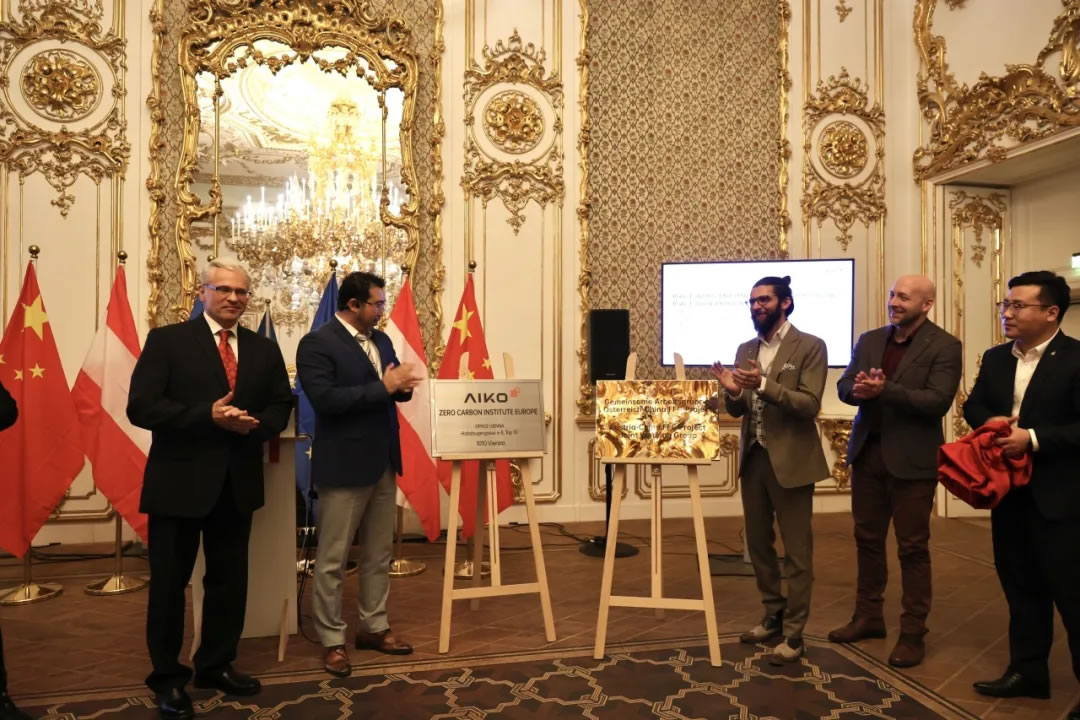
European Zero-Carbon Research Laboratory
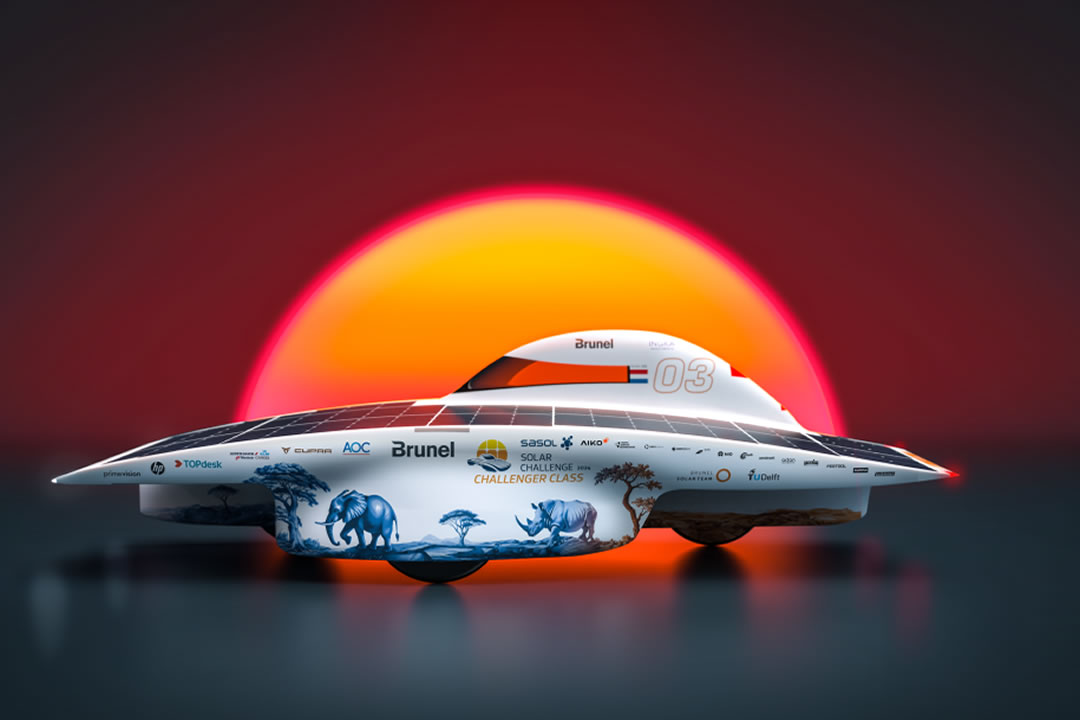
“Exploring New Scenarios of ‘Photovoltaics + Transportation’”
AIKO has reached a strategic cooperation with the Dutch Brunel Solar Team. The team’s newly designed solar car, Nuna 12S, is equipped with AIKO’s high-efficiency N-type ABC cells and will participate in the “2024 Sasol Solar Challenge” held in South Africa.
AIKO’s N-type ABC cells boast the highest conversion efficiency in the industry, ensuring higher power generation under the same sunlight conditions. With features such as shadow power optimization, high-temperature suppression, and resistance to microcracks, they effectively minimize the impact of adverse weather or environmental conditions on the photovoltaic cell’s power generation capacity, ensuring that the solar car’s power supply remains efficient and reliable.
AIKO’s N-type ABC cells boast the highest conversion efficiency in the industry, ensuring higher power generation under the same sunlight conditions. With features such as shadow power optimization, high-temperature suppression, and resistance to microcracks, they effectively minimize the impact of adverse weather or environmental conditions on the photovoltaic cell’s power generation capacity, ensuring that the solar car’s power supply remains efficient and reliable.